Medication Errors: What They Are, How They Happen, and How to Stop Them
When you take a pill, you expect it to help—not hurt. But medication errors, mistakes in prescribing, dispensing, or taking medicines that lead to harm happen far more often than most people realize. These aren’t just rare accidents—they’re systemic issues rooted in poor communication, confusing labels, and rushed care. A single error can mean the difference between recovery and hospitalization, especially for seniors managing five or more drugs at once.
Drug safety, the practice of ensuring medications are used correctly and without harm isn’t just a hospital policy—it’s something you need to be actively involved in. Many prescription mistakes, errors made by doctors, pharmacists, or patients during the medication process happen because people assume the system will catch them. It won’t. A patient might get the wrong dose because the label changed slightly. A caregiver might mix up pills because they look alike. Someone might stop taking a drug because they felt better, not knowing it’s a long-term treatment. These aren’t just "human errors"—they’re preventable breakdowns in a system that should protect you.
Medication list, a clear, updated record of all drugs a person is taking, including doses and reasons is your best defense. Keep it simple: paper or digital, but always current. Bring it to every appointment. Read every new label. Compare it to your old one. If a pill looks different, ask why. If you’re unsure what something does, don’t guess. And if you notice a side effect—like unusual dizziness, rash, or stomach pain—write it down and tell your provider. Your input isn’t just helpful; it’s critical. The FDA’s adverse drug events, harmful reactions to medications that are reported to track safety system only works when real people speak up.
What you’ll find below aren’t just articles—they’re real tools. From how to spot a dangerous interaction between garlic supplements and blood thinners, to why switching to a generic drug might trigger new side effects, to how hospitals pick which drugs to stock—every post here is built around the same goal: helping you take control. You don’t need to be a doctor to prevent a medication error. You just need to know what to look for, what to ask, and when to push back. The system won’t fix itself. But you can make it safer—for yourself, and for others.
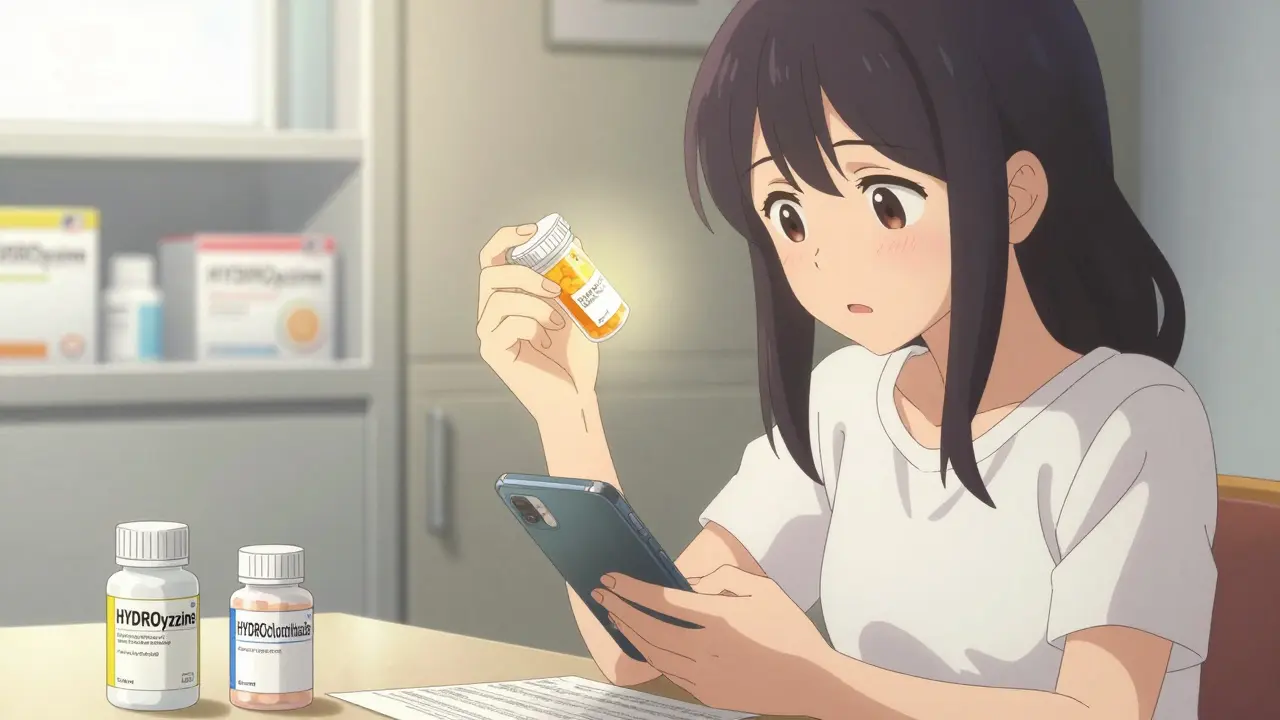
Five Essential Rules for Taking Medication Safely
Learn the five essential rules for taking medication safely to avoid dangerous errors. From verifying the right drug and dose to understanding side effects and timing, these practical steps can prevent emergencies and save lives.
View More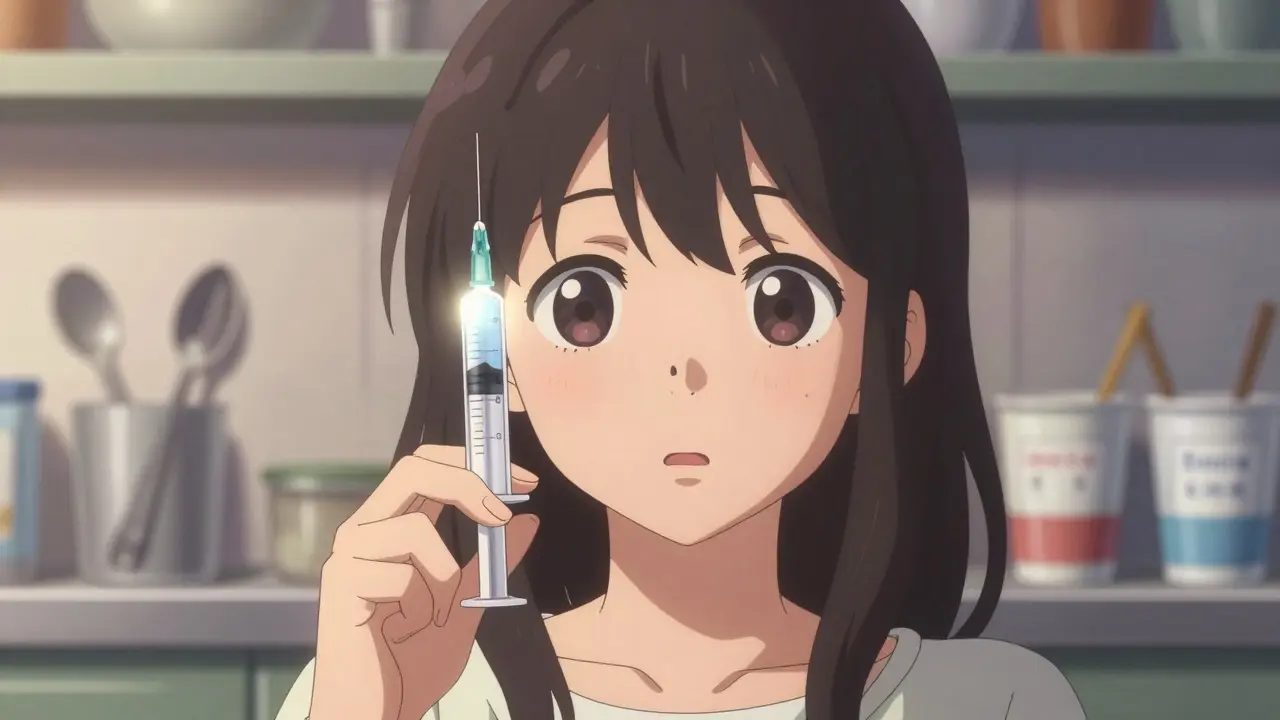
How to Ensure Accurate Dosing Devices with Liquid Prescriptions
Learn how to prevent dangerous dosing errors with liquid medications by using the right tools-oral syringes over cups and spoons. Follow FDA and USP guidelines for accurate milliliter-based dosing.
View More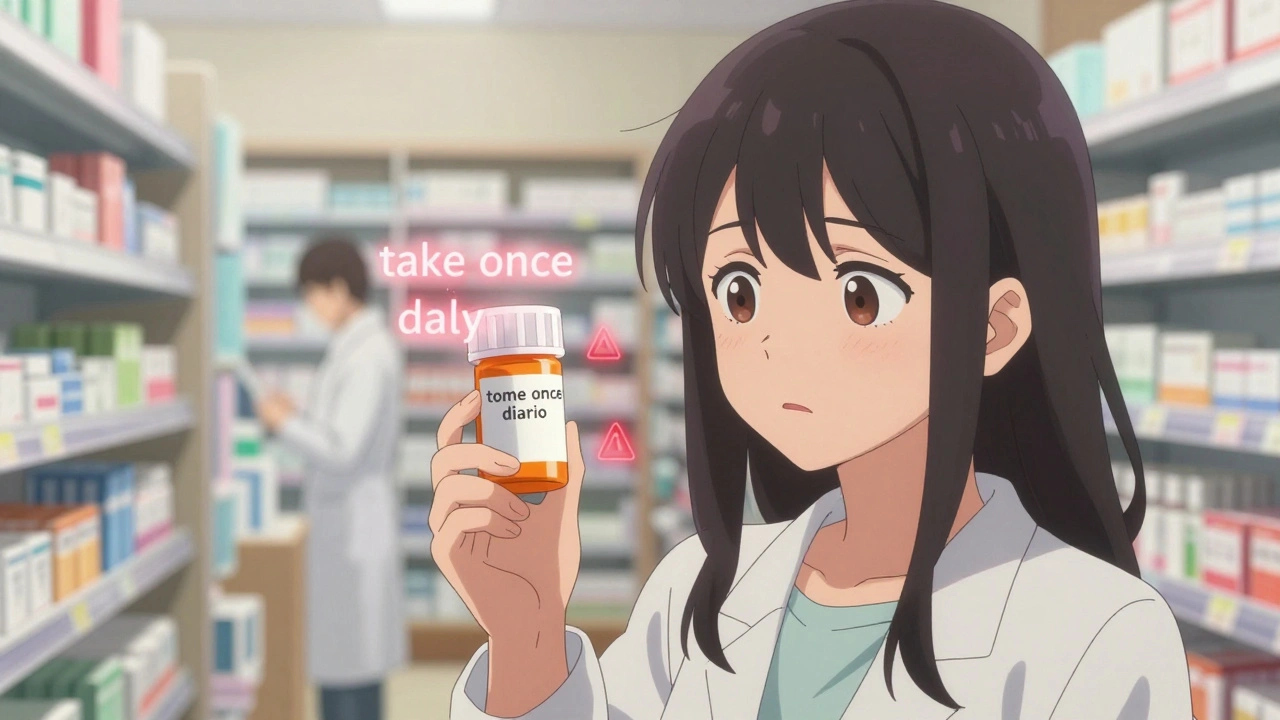
Common Translation Issues on Prescription Labels and How to Get Help
Many prescription labels are mistranslated by computer systems, putting non-English speakers at risk. Learn the most common errors, which states are fixing the problem, and how to get help if your label doesn’t make sense.
View More
© 2026. All rights reserved.