

Contraceptive Interaction Checker
Check if your prescribed antibiotic may reduce the effectiveness of your hormonal birth control.
If you're starting a course of Rifampin is a potent antituberculosis and antistaphylococcal antibiotic first synthesized in 1965, there is one critical conversation you need to have with your doctor immediately: your birth control. While most antibiotics don't actually interfere with the pill, Rifampin is a dangerous outlier. It doesn't just slightly nudge your hormone levels; it can effectively strip your body of the protection you're relying on, leading to unintended pregnancies.
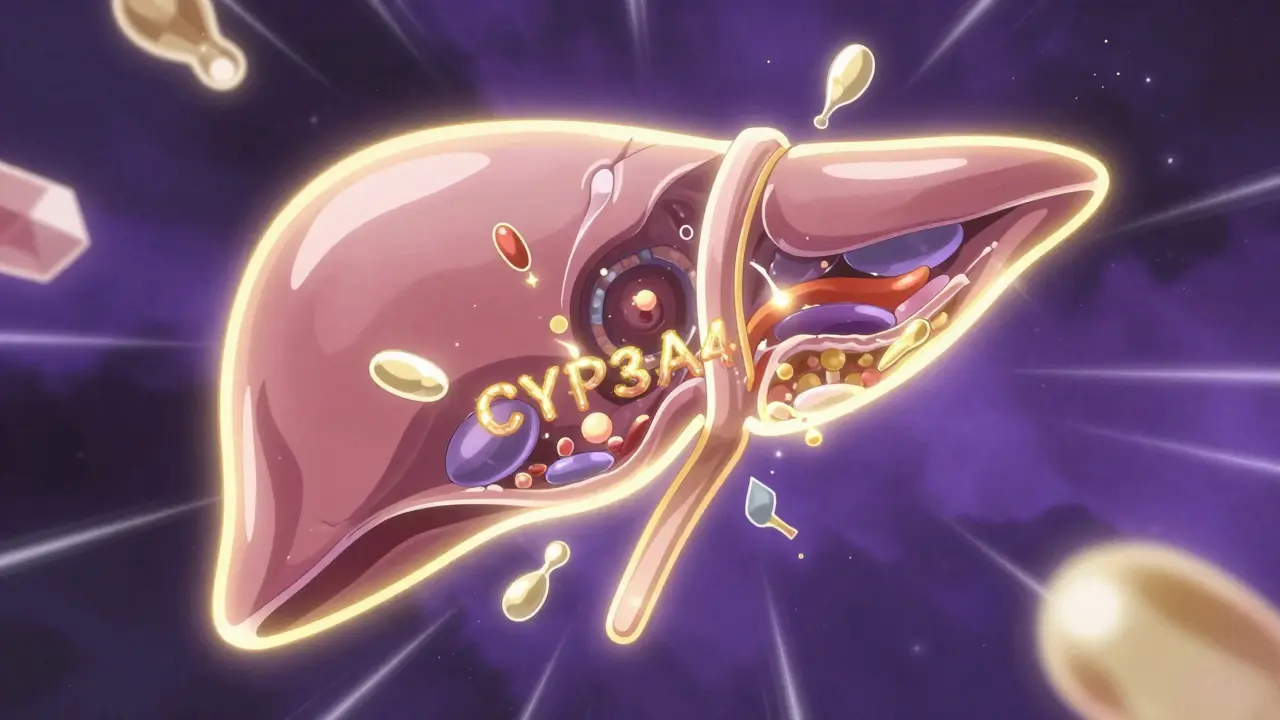
The core problem isn't that the antibiotic "kills" the contraceptive. Instead, it changes how your liver works. Rifampin is a powerful inducer of the CYP3A4 enzyme, a protein in the liver responsible for breaking down a huge variety of medications. When you take Rifampin, your liver produces more of these enzymes, which then chew through estrogen and progestin at an accelerated rate. Essentially, the medication is cleared from your system so quickly that it never reaches the therapeutic levels needed to stop ovulation.
The Science of Contraceptive Failure
To understand the risk, we have to look at the numbers. In pharmacokinetic studies, Rifampin has been shown to slash the bioavailability of ethinyl estradiol-the common estrogen found in combined pills-by as much as 67%. Progestin levels can drop by up to 52%. When these hormone levels plummet, the "safety net" vanishes. This isn't just theoretical; clinical data has shown that up to 50% of women taking Rifampin may experience presumed ovulation, meaning the pill is no longer doing its primary job.
You might notice warning signs before a pregnancy occurs. Breakthrough bleeding, spotting, or a complete stop in your period (amenorrhea) are common red flags that your hormone levels are too low. However, you cannot rely on these symptoms alone, as some women experience no warning signs at all before ovulating.
Rifampin vs. Other Antibiotics
There is a common myth in medicine that all antibiotics interfere with birth control. You've probably heard a pharmacist or a doctor tell you to "be careful" while taking a simple course of amoxicillin or azithromycin. In reality, the evidence for most antibiotics is incredibly thin. A massive review of 117 case reports of contraceptive failure found that almost every single case with robust evidence involved Rifampin. Penicillins and tetracyclines, for instance, have not shown a statistically significant increase in ovulation rates in controlled studies.
Within the family of rifamycins, there is some variation. Rifabutin, often used for Mycobacterium avium complex, also induces liver enzymes but is less potent than Rifampin. While it still reduces hormone levels by about 20-30%, the risk is generally lower, though backup protection is still strongly advised.
| Medication | Mechanism | Impact Level | Backup Required? |
|---|---|---|---|
| Rifampin | Strong CYP3A4 Induction | Severe (Up to 67% reduction) | Yes (Mandatory) |
| Rifabutin | Moderate CYP3A4 Induction | Moderate (20-30% reduction) | Yes (Recommended) |
| Amoxicillin | None proven | Negligible | No (per current evidence) |
| Azithromycin | None proven | Negligible | No (per current evidence) |
Managing Your Protection Strategy
If you are prescribed Rifampin, the Centers for Disease Control and Prevention (CDC) classifies combined hormonal contraceptives as "Category 4," meaning they represent an unacceptable health risk when used alone. You cannot simply "take an extra pill" to compensate for the liver induction; the enzyme activity is too aggressive.
The only safe path is to switch to a non-hormonal backup method. The most reliable options are:
- Copper IUD: Since it doesn't use hormones, it is completely unaffected by liver enzymes.
- Barrier Methods: Condoms provide a physical block that Rifampin cannot bypass.
One of the biggest mistakes patients make is stopping the backup method the day they finish their last Rifampin dose. This is a dangerous gamble. Enzyme induction doesn't stop the moment the drug leaves your blood. Because Rifampin changes the actual synthesis of enzymes in your liver, it takes time for those levels to return to normal. You must continue using backup contraception for at least 28 days after your last dose of Rifampin.

Other Medication Risks and Interactions
While the focus is often on birth control, Rifampin's effect on the liver means it interacts with a wide array of other drugs. Essentially, any drug metabolized by the CYP3A4 pathway is at risk of being cleared too quickly. This can include certain anticoagulants (blood thinners), some antidepressants, and certain anti-seizure medications. If you are taking any daily medication, you must check if it shares this metabolic pathway.
On the flip side, some drugs do the opposite. For example, Ketoconazole is a CYP3A4 inhibitor. Instead of speeding up the breakdown of hormones, it slows it down, which could theoretically increase the levels of contraceptives in your blood. This creates a bidirectional risk in the pharmaceutical landscape-some drugs wipe out your medication, while others build it up to potentially toxic levels.
The Future of TB Treatment and Contraception
Because this interaction is such a hurdle, especially in regions with high tuberculosis prevalence, researchers are looking for ways around it. Some evidence suggests that high-dose progestin options, like the Nexplanon implant, might be more resilient to Rifampin's effects due to the higher volume of hormones released. Early studies showed no pregnancies in a small group of women using these implants during treatment, but doctors still urge caution until larger trials are completed.
There is also a push toward new TB regimens that avoid rifamycins altogether. New 4-month regimens combining rifapentine and moxifloxacin are being studied to see if they provide the same cure rate without the same contraceptive chaos. Until these become the standard of care, the rule remains: Rifampin and the pill are a recipe for failure.
Do I need to stop taking my birth control pill while on Rifampin?
You don't necessarily have to stop taking your pill, but you must realize that it is no longer providing reliable protection against pregnancy. You should continue taking it to maintain your cycle and avoid withdrawal bleeding, but you must use a non-hormonal backup method (like condoms or a copper IUD) simultaneously.
How long should I use backup birth control after finishing Rifampin?
You should use a backup method for at least 28 days after your last dose. This is because Rifampin induces liver enzymes that persist in your system long after the drug itself has been cleared from your bloodstream.
Will a Progestin-only pill (Mini-pill) work with Rifampin?
No. Progestins are also metabolized by the CYP3A4 enzyme induced by Rifampin. Whether you are using a combined pill, a mini-pill, or a hormonal patch, the risk of failure remains high.
Are other antibiotics like Amoxicillin just as risky?
Generally, no. Most common antibiotics do not have a proven pharmacokinetic interaction with oral contraceptives. Rifampin is unique in its potency as an enzyme inducer. However, always consult your healthcare provider about your specific medication.
What are the signs that my birth control isn't working due to Rifampin?
Common signs include breakthrough bleeding (bleeding between periods), unusual spotting, or a complete absence of your period. However, the most dangerous part is that you can ovulate without any warning signs at all.
