Pharmacy Benefit Managers: How They Control Your Drug Costs and What It Means for You
When you pick up a prescription, you might not realize that a Pharmacy Benefit Manager, a middleman between drug makers, insurers, and pharmacies that negotiates prices and decides which drugs are covered. Also known as PBM, it holds more power over your medication costs than your doctor or pharmacist. PBMs don’t sell drugs—they control access. They create lists called formularies that say which pills your insurance will pay for, and which ones come with a huge price tag—or aren’t covered at all. If you’ve ever been told your drug isn’t on the plan, or that you need to try a cheaper version first, that’s a PBM at work.
Behind the scenes, PBMs negotiate rebates with drug companies. The bigger the rebate, the more likely that drug gets placed on the preferred list—even if it’s not the best option for you. This is why two people with the same condition might get different drugs based on their insurance plan’s PBM rules. Formularies, curated drug lists managed by PBMs to control costs and guide prescribing aren’t based on medical evidence alone. They’re shaped by money. A drug with a 70% rebate might be listed over a cheaper one with no rebate. And when a PBM owns a mail-order pharmacy, they push you toward it—even if your local pharmacy offers the same pill for less. This isn’t conspiracy—it’s business. And it’s why generic drugs sometimes cost more than brand-name ones in certain plans.
It’s not all bad. PBMs help insurers save money, which can lower premiums. They also help track drug interactions and manage prior authorizations to prevent dangerous combinations. But the system is opaque. You rarely see the real cost of your medicine—just the price you pay at the counter. That’s because PBMs use complex pricing tricks: spread pricing, administrative fees, and secret rebates that never reach you. Medication access, how easily patients can obtain prescribed drugs based on PBM policies and insurance rules is often decided before you even walk into the pharmacy. If you’re on a chronic medication and suddenly your copay jumps, or your doctor can’t prescribe your usual drug, it’s likely because the PBM changed the formulary.
What can you do? Always ask your pharmacist: "Is there a cheaper alternative on my plan?" Check your insurer’s formulary online. Call your PBM directly—yes, they have customer service—and ask why a drug was denied. Report unexpected price hikes. Your feedback matters more than you think. PBMs respond to pressure. And if enough people push back, they change the rules. The system isn’t broken—it’s designed this way. But you don’t have to accept it without question.
Below, you’ll find real stories and practical guides about how PBMs affect your prescriptions—from generic drug switches to hidden costs and what to do when your medication disappears from your plan. These aren’t theory pieces. They’re tools to help you fight back.
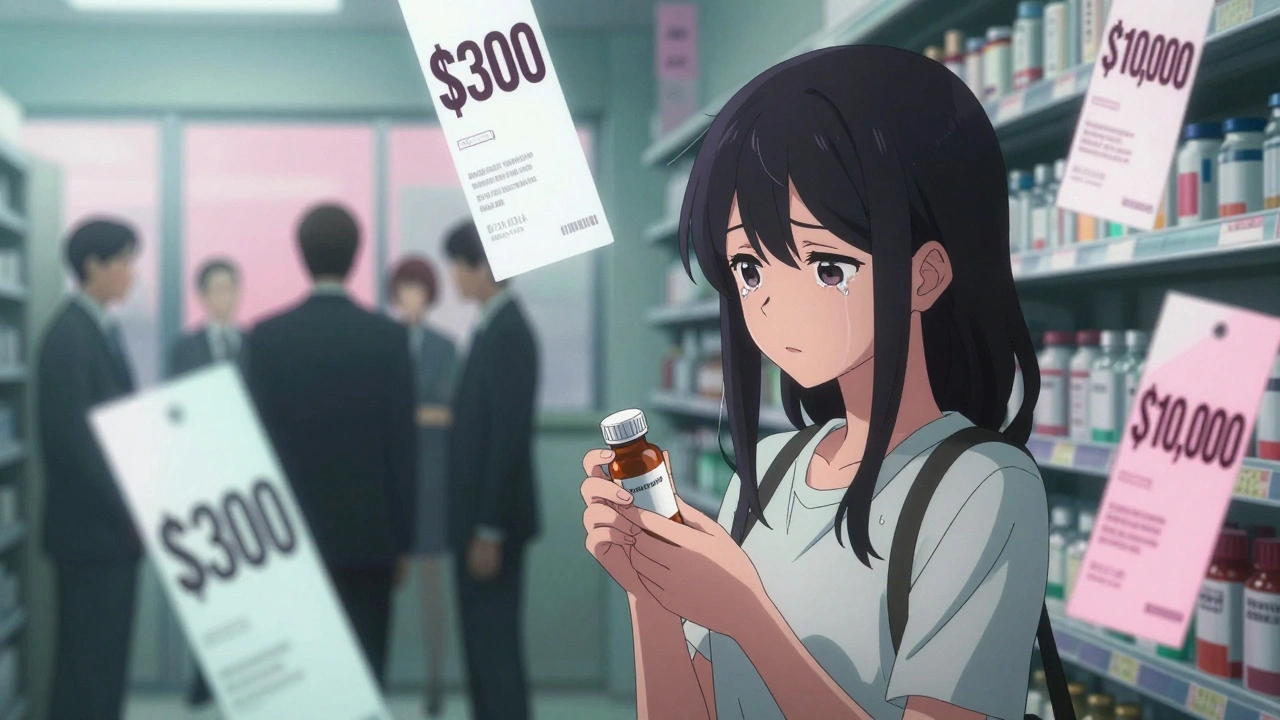
Why Prescription Drug Prices Are So High in the United States
Americans pay over three times more for prescription drugs than people in other wealthy countries. This article explains why-focusing on lack of price negotiation, Pharmacy Benefit Managers, and how specialty drugs drive costs.
View More
© 2026. All rights reserved.