
When Switching Generics Might Cause Problems
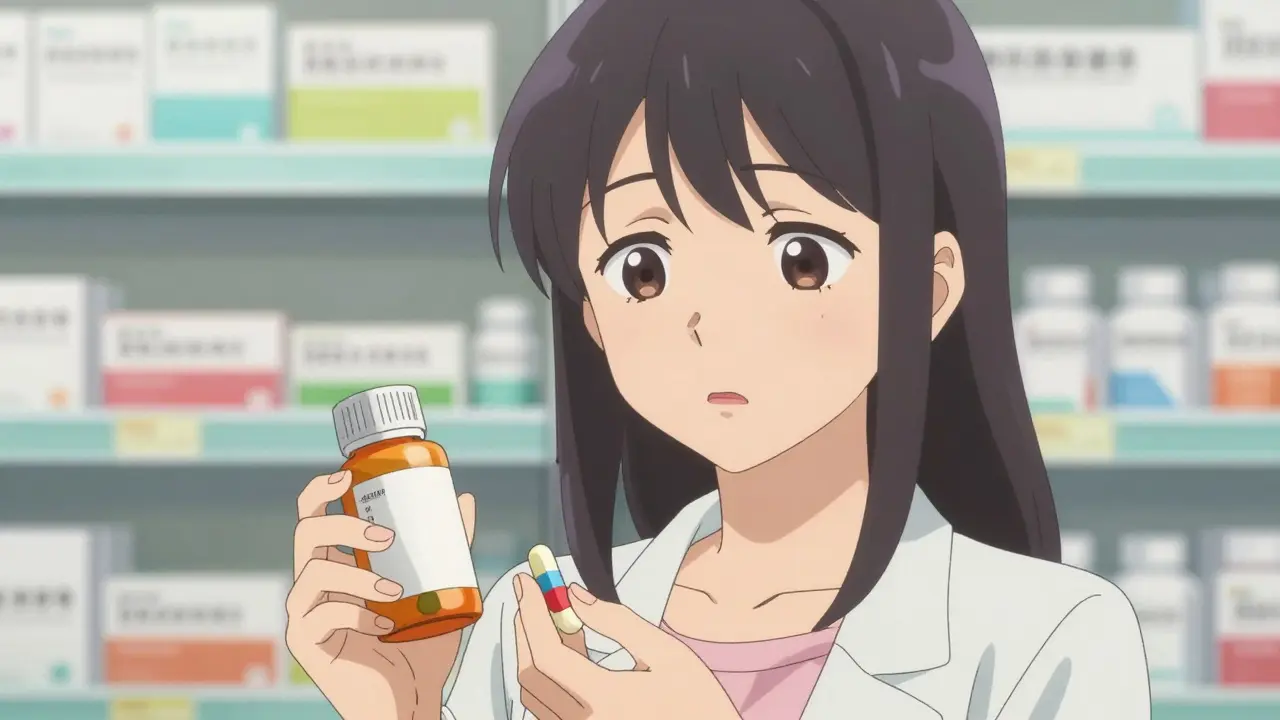
You've been taking your brand-name medication for years. Then your pharmacist hands you a new bottle with a different name and color. 'It's the same thing,' they say. But what if it's not? For some people, switching to generic medications isn't harmless-it can trigger serious side effects or make their condition worse. Here's what you need to know.
What Are Generic Medications?
FDA U.S. Food and Drug Administration, the federal agency responsible for regulating drugs requires generic drugs to have the same active ingredients as brand-name versions. They must also meet bioequivalence standards, meaning they deliver 80% to 125% of the drug's effect compared to the original. This seems strict, but there's a catch: the FDA allows up to 20% variation in how quickly the drug is absorbed. For most medications, this doesn't matter. However, for certain drugs, even small differences can have big consequences.
Which Medications Carry the Highest Risk?
Not all generic drugs pose the same risks. The narrow therapeutic index A measure of how much variation in drug levels can cause harm (NTI) concept is key here. Medications with narrow therapeutic indices have very little room for error-small changes in blood levels can lead to treatment failure or dangerous side effects. Experts identify five high-risk categories:
- Antiepileptic drugs like phenytoin or divalproex sodium. Switching generics can increase seizure risk.
- Thyroid medications such as levothyroxine. Even small changes can cause thyroid imbalances.
- Anticoagulants like warfarin. Incorrect dosing may cause bleeding or clots.
- Immunosuppressants such as tacrolimus. Critical for organ transplant patients.
- Psychiatric medications including extended-release ADHD drugs like Adderall XR.
A 2019 study in BMJ Open found a 12.3% higher hospitalization risk within 30 days of switching generic heart medications. For ADHD medications, MedShadow's survey showed 63.2% of patients noticed decreased efficacy after a manufacturer change. These aren't isolated cases-they reflect real-world problems.
How to Spot Trouble After Switching
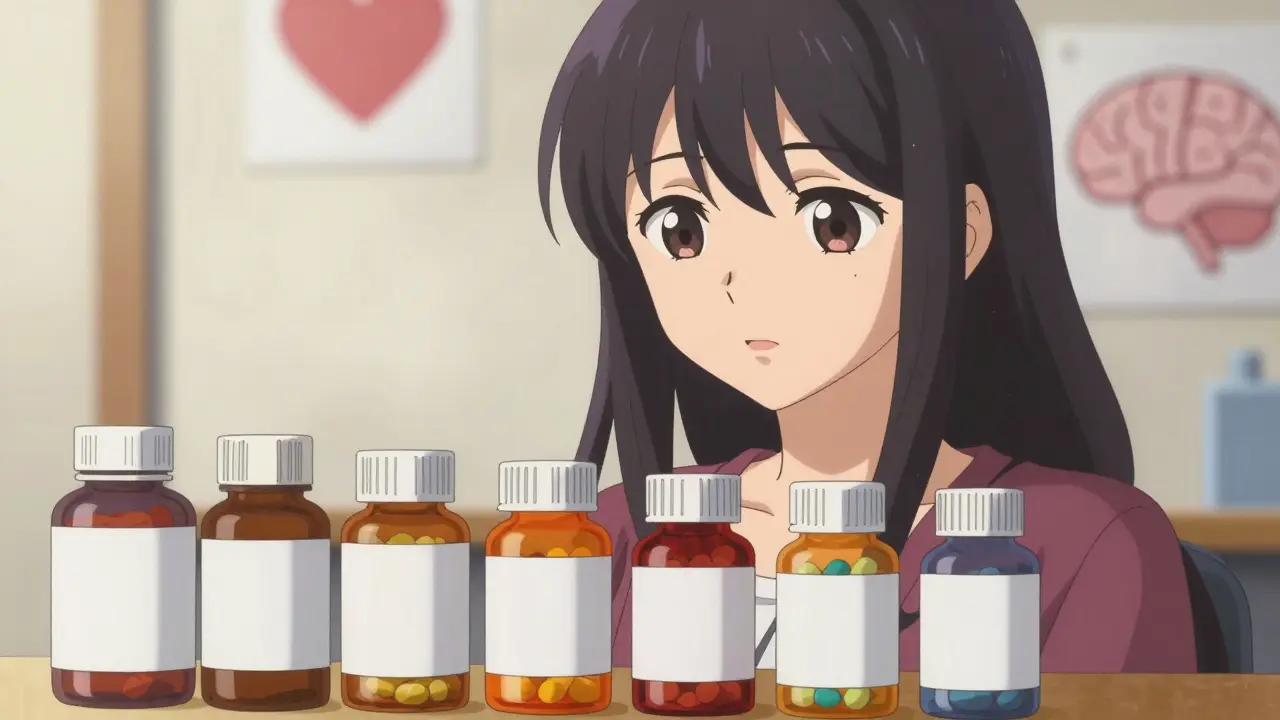
Side effects from generic switches often appear quickly-within 24 to 72 hours. Watch for these red flags:
- Sudden return of symptoms (e.g., seizures returning after switching antiepileptics)
- New side effects like headaches, anxiety, or nausea that weren't present before
- Unusual changes in how you feel (e.g., fatigue with thyroid meds or dizziness with blood thinners)
- Medication not working as well as it did previously
Many patients don't realize the problem comes from switching. A 2023 hospital study found 67% of people identify medications by physical traits like color or shape. If your pill looks different but the pharmacist didn't explain why, ask questions. Don't assume it's safe just because it's labeled the same.
What to Do If You Experience Side Effects
If you notice problems after switching, take these steps immediately:
- Check the manufacturer name on the prescription label. Many generic versions exist for the same drug.
- Contact your doctor or pharmacist. Explain the timing of symptoms and the new manufacturer.
- Ask about switching back to your previous generic or brand-name version.
- Request a DAW code Dispense As Written code that prevents substitution on your prescription. DAW-1 means 'no substitution allowed'.
- Keep a medication log tracking changes in effectiveness and side effects.
A 2021 study showed patients who received pharmacist counseling about switching risks were 37% less likely to have adverse outcomes. Don't hesitate to speak up-your input matters.
How to Prevent Problematic Switches
Prevention is easier than fixing problems after they happen. Here's how to protect yourself:
- Ask your pharmacist for the manufacturer name before taking new medication. Many pharmacies can accommodate this request, especially for high-risk medications.
- For high-risk drugs, ask your doctor to write 'DAW-1' on the prescription. This legally prevents substitution.
- Keep a medication log. Note the manufacturer, dose, and any side effects. Share this with your doctor.
- Use the 'medication fingerprinting' approach-stay with the same manufacturer whenever possible.
- Check if your insurance plan has a preferred generic manufacturer. If it changes frequently, discuss alternatives.
Pharmacy benefit managers (PBMs) like CVS Caremark or Express Scripts often switch manufacturers for rebates. A Senate report found PBMs change preferred generics nearly five times a year per drug. This instability affects 187 million Americans with prescription coverage. Knowing this helps you advocate for consistency.
What's Changing to Address Switching Issues?
Regulators and researchers are taking action. In 2023, the Centers for Medicare & Medicaid Services (CMS) limited generic manufacturer changes to twice a year for Medicare Part D plans. Early data shows this could reduce adverse events by 31.4%. The FDA's Complex Generic Products Initiative is developing better testing for drugs like inhalers and topical steroids. In January 2024, the American Society of Health-System Pharmacists published updated guidelines against automatic substitution for 17 specific drugs, including tacrolimus and phenytoin.
However, challenges remain. A 2024 study found CYP2D6 poor metabolizers face a 4.2-fold increased risk of treatment failure with certain antidepressants after switching. The healthcare system still prioritizes cost savings over consistency for many patients. Until regulations catch up, staying informed and proactive is your best defense.
Can switching to generic medications cause side effects?
Yes, for certain medications. While most generic drugs work the same as brand-name versions, some-especially those with narrow therapeutic indices-can cause issues due to differences in inactive ingredients or delivery systems. For example, patients switching between generic versions of ADHD medication often report decreased effectiveness or new side effects like anxiety within days.
Which medications are most likely to cause problems when switched to generics?
High-risk categories include antiepileptic drugs (like phenytoin), thyroid medications (levothyroxine), blood thinners (warfarin), immunosuppressants (tacrolimus), and extended-release psychiatric drugs. These have narrow therapeutic indices where small changes in blood levels can lead to serious consequences. For instance, switching levothyroxine generics can cause thyroid imbalances affecting heart rate and energy levels.
How do I know if my generic medication is causing side effects?
Watch for sudden changes in symptoms within 24-72 hours of switching. For example, if you take antiepileptic medication and start having more seizures, or if you switch thyroid medication and feel unusually tired or anxious, these could be signs. Also check the manufacturer name on your prescription-different generics may have different effects. Keep a medication log to track changes and share it with your doctor.
Can I request a specific generic manufacturer?
Yes, you can ask your pharmacist for a specific generic manufacturer. Many pharmacies can accommodate this request, especially for high-risk medications. If they say it's not possible, ask your doctor to write 'DAW-1' (Dispense As Written) on the prescription. This legally prevents substitution and ensures you get the same manufacturer each time. Some states also have laws protecting your right to choose.
What is a DAW code and how does it help?
DAW stands for Dispense As Written. DAW-1 means 'no substitution allowed'-your pharmacist must give you exactly what the doctor prescribed. For high-risk drugs like warfarin or tacrolimus, using DAW-1 prevents dangerous switches between generic manufacturers. According to Surescripts data in 2022, 23.7% of levothyroxine prescriptions included DAW-1 codes to maintain consistency. Always check your prescription label for this code.
Why do pharmacies switch generic manufacturers so often?
Pharmacy benefit managers (PBMs) like CVS Caremark or OptumRx drive most switches. They receive rebates from generic manufacturers and often change which company they prefer to maximize profits. A Senate investigation found PBMs switch preferred generics nearly five times per year per drug. This instability affects 187 million Americans with prescription coverage. While this saves money for insurers, it can lead to inconsistent medication experiences for patients.
Are there new rules to prevent problematic switching?
Yes. In 2023, CMS limited Medicare Part D plans to only two generic manufacturer changes per year. The FDA's Complex Generic Products Initiative is improving testing for difficult drugs like inhalers. Also, in January 2024, health pharmacists' groups updated guidelines to block automatic substitution for 17 specific drugs. These changes aim to reduce switching-related health risks, but patient advocacy remains crucial until these policies fully take effect.

Comments (12)
Danielle Vila
Big Pharma and the FDA are in cahoots! They push generics on us while knowing that the inactive ingredients are causing all sorts of problems. I read a leaked document that says they're deliberately adding toxins to make us sick so we buy more drugs. The FDA's 'bioequivalence' standards are a joke-only 80-125%? That's a huge range! I've had seizures after switching, and my doctor won't listen. It's all about the money, folks. Wake up! The pharmaceutical industry is a scam. They don't care about patients-only profits. They've been manipulating the system for decades. Remember the opioid crisis? Same playbook. They push dangerous drugs, then sell the antidotes. It's a cycle of greed. The FDA is a puppet. They allow these dangerous generics to hit the market because of corporate influence. Every time you switch to a generic, you're playing Russian roulette with your health. They don't test these drugs properly. The studies are biased. The data is faked. We need to expose this. It's time to take back our healthcare. The government is in bed with Big Pharma. They're selling us out. Wake up before it's too late!
Thorben Westerhuys
Oh my GOD!!! I switched to a generic thyroid med and now I'm having heart palpitations, anxiety, and I can't sleep!!! It's been a nightmare for weeks!!! My doctor said it's 'just placebo' but I KNOW it's the medication!!! They need to stop this madness!!!
Laissa Peixoto
While the FDA's bioequivalence standards are technically met, the reality is that some medications are more sensitive to variations in formulation. For instance, antiepileptic drugs like phenytoin have a narrow therapeutic index, where even minor differences in absorption can lead to serious consequences. It's crucial for patients to monitor their symptoms closely and communicate with their healthcare providers when switching generics. Knowledge is power-understanding your medication's specifics can prevent adverse outcomes.
Samantha Beye
It's important to stay vigilant when switching medications. Keep a detailed log of your symptoms and share it with your doctor. Small changes in how you feel can be significant, and your input matters. You're not alone in this-many have faced similar challenges and found solutions. Stay proactive and advocate for yourself.
Andre Shaw
Everyone's panicking over generics, but the data doesn't support it. The FDA has stringent testing, and most people don't experience issues. If you're having problems, it's probably not the generic-it's your body adjusting. Stop blaming the system and take responsibility for your health.
Tehya Wilson
It is imperative to recognize that generic medications may present risks for certain therapeutic classes. The narrow therapeutic index drugs require meticulous monitoring. However, the assertion that switching inherently causes harm is overstated. Evidence-based practice should guide decisions.
Dina Santorelli
Ugh, another 'just switch generics' push from the system. I've been on warfarin for years and switched to a generic-now my INR is all over the place. The pharmacy doesn't care, the doctors don't listen. It's a fucking disaster. They don't give a shit about patients as long as they save a few bucks.
Arjun Paul
Patients who switch generics without consulting their physicians are at fault. The responsibility lies with the individual to ensure proper medication management. Generic drugs are safe when used correctly. Blaming the system is irresponsible.
Matthew Morales
hey everyone! i switched my ADHD meds to generic and noticed some side effects. but i think it's important to talk to your dr and pharmacist. maybe try the same manufacturer? also, don't forget to check the daw code! 😊
Gregory Rodriguez
Oh sure, let's all panic about generics. Because nothing says 'progress' like blaming the cheapest option for every problem. The real issue? People not taking responsibility for their health. But hey, if you want to spend more on brand names, go right ahead! 💁♂️
Jenna Elliott
Americans should demand better. Generic drugs are a foreign ploy to weaken our healthcare. Always check the manufacturer. If it's not American, refuse it. Our health is worth more than cost-cutting.
lance black
Switch generics? Always verify the manufacturer. Your life depends on it.