
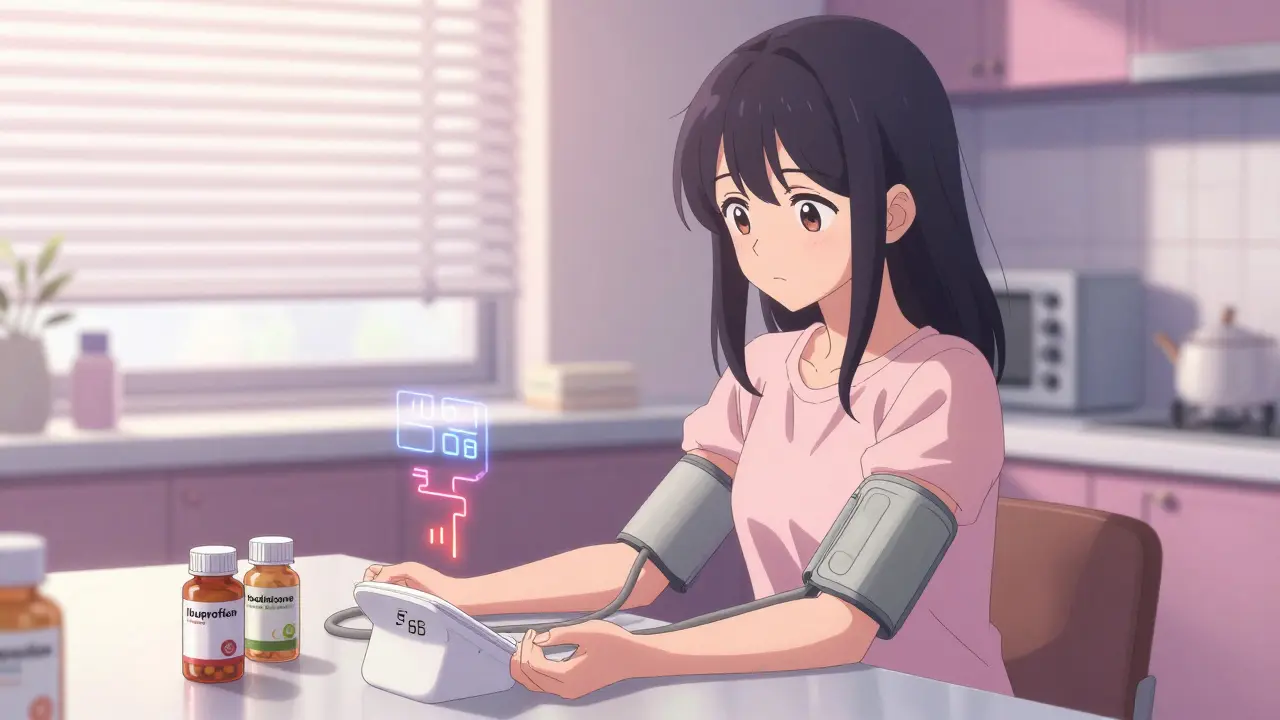
Medication-Induced Hypertension Risk Checker
Medications You're Taking
Select any medications you're currently taking or have taken in the last 3 months that may affect blood pressure
Your Risk Assessment
Recommended Monitoring
Important Considerations
Many people assume high blood pressure is just a result of aging, stress, or poor diet. But what if it’s actually caused by something you’re taking to feel better? Every year, millions of Americans develop high blood pressure not because of lifestyle, but because of common medications - some even sold over the counter. This isn’t rare. According to the American Heart Association, medication-induced hypertension accounts for 2-5% of all high blood pressure cases, and in some groups, like older adults on multiple prescriptions, it’s far more common than most doctors realize.
What Medications Actually Raise Blood Pressure?
You might be surprised to learn that the drugs you take for pain, colds, depression, or even allergies can quietly push your blood pressure up. The most common culprits aren’t obscure chemicals - they’re everyday medicines.
- NSAIDs like ibuprofen (Advil, Motrin) and naproxen (Aleve): These are the #1 OTC offenders. A 2022 meta-analysis found that 12% of people with existing high blood pressure see their systolic pressure rise by 5-10 mm Hg after just two weeks of regular ibuprofen use. Even naproxen, often considered safer, still raises BP in 5-7% of users.
- Corticosteroids like prednisone: Used for asthma, arthritis, and autoimmune diseases, these can spike blood pressure dramatically. At doses above 20 mg/day for more than four weeks, up to 60% of patients develop hypertension. Some see their systolic pressure jump 15 mm Hg within 24 hours.
- Decongestants like pseudoephedrine (Sudafed) and phenylephrine: These shrink blood vessels to clear sinuses - but they also tighten arteries everywhere else. A 2023 study showed a 5-10 mm Hg rise in systolic BP within hours, lasting up to 12 hours.
- Antidepressants, especially SNRIs like venlafaxine (Effexor): These boost norepinephrine, which increases heart rate and constricts blood vessels. At doses over 150 mg/day, 8-15% of patients develop noticeable hypertension.
- ADHD stimulants like Adderall and Ritalin: In 10-25% of users, these raise BP significantly. Dextroamphetamine has the highest risk, with 24.7% of users in one study showing elevated readings.
- Erythropoietin (Procrit) and HIV medications (HAART): These are less common but still dangerous. Erythropoietin causes hypertension in 20-30% of kidney patients. HIV drugs raise BP in about 18% of users, especially those over 65.
What’s worse? Many of these drugs are taken without any warning. A 2023 Reddit survey of 145,000 members with high blood pressure found that 68% said they were never told by a doctor that NSAIDs could raise their BP.
How Do These Drugs Actually Raise Blood Pressure?
It’s not magic - it’s physiology. Each class works differently, but they all end up doing one of three things: making your body hold onto salt and water, tightening your blood vessels, or overstimulating your nervous system.
- NSAIDs block enzymes that help your kidneys flush out sodium. Less sodium excretion = more fluid in your bloodstream = higher pressure. Ibuprofen can reduce kidney blood flow by 15-20% within two hours.
- Corticosteroids act like aldosterone, a hormone that makes your kidneys keep sodium and dump potassium. This increases plasma volume by up to 10% in just three days.
- Decongestants stimulate alpha-receptors in blood vessel walls, causing them to constrict. Pseudoephedrine can increase vascular resistance by 25-30% in under an hour.
- Antidepressants like venlafaxine prevent your brain from reabsorbing norepinephrine, leaving more of it in your system. At high doses, levels can spike 300-400%, leading to constant vessel tightening and faster heart rate.
The result? Your heart has to pump harder against tighter pipes. That’s how a simple cold medicine or painkiller turns into a silent blood pressure threat.

How to Monitor for Drug-Induced Hypertension
If you’re on any of these medications, don’t wait for symptoms. High blood pressure often has none. The key is consistent, smart monitoring.
- Baseline check: Before starting any new medication - even OTC - get your blood pressure recorded. Write it down.
- First 2-4 weeks: Check your BP at least twice a week. Look for a consistent rise of 5 mm Hg or more in systolic pressure.
- Home monitoring: Use a validated cuff. Take readings twice daily for seven days after starting or changing a dose. Average the last six days. Don’t rely on clinic visits alone - they’re snapshots, not trends.
- For high-risk patients: If you already have hypertension, kidney disease, or are on multiple BP-raising drugs, ask your doctor about ambulatory blood pressure monitoring (ABPM). This wearable device tracks your pressure over 24 hours. A daytime average above 135 mm Hg confirms drug-induced hypertension.
- For steroid users: Check your BP daily for the first month. Watch for orthostatic changes - if your pressure drops more than 20/10 mm Hg when standing, it’s a red flag for fluid shifts caused by the drug.
Most people don’t realize that their 145/90 reading isn’t “just stress.” It might be the ibuprofen they’ve been taking for back pain for six months.
How to Manage It - Step by Step
Good news: if you catch it early, drug-induced hypertension often reverses. But you need a plan.
- Review your meds - every single one. Include supplements, herbal products, and OTC drugs. St. John’s Wort, for example, can raise BP just like antidepressants. A 2023 Drugs.com review showed patients didn’t connect their hypertensive crisis to herbal supplements until it was too late.
- Try to stop or reduce the drug - if it’s safe. For NSAIDs, switching to acetaminophen (Tylenol) or celecoxib (Celebrex) can drop BP by 3-5 mm Hg. Celecoxib raises BP only 2.4 mm Hg on average, compared to 5.7 mm Hg for ibuprofen.
- Don’t quit steroids or antidepressants cold turkey. Work with your doctor. If you need to keep taking them, add a blood pressure medication that works against the mechanism. Calcium channel blockers (like amlodipine) or thiazide diuretics (like hydrochlorothiazide) are first-line. Beta-blockers? Avoid them. They only work in 45% of drug-induced cases - calcium blockers work in 72%.
- Lifestyle tweaks matter - even more when drugs are involved. Cut sodium to under 1,500 mg/day. Add potassium-rich foods (bananas, spinach, sweet potatoes) - aim for 2,500-3,500 mg/day. Walk 30 minutes five days a week. Together, these can lower BP by 5-8 mm Hg, according to a 2023 meta-analysis.
- Track your progress. If your BP drops 10 mm Hg within two weeks after stopping an NSAID, it’s likely the drug. If it doesn’t, there’s another cause.
One patient on Zocdoc reported her BP dropped from 160/100 to normal in three weeks after switching from a decongestant to a non-sedating allergy pill. She was never warned. She just asked her pharmacist.

Why Doctors Miss This - And How to Advocate for Yourself
Here’s the uncomfortable truth: most doctors don’t screen for this. A 2023 European Heart Journal study found only 22% of primary care providers routinely ask hypertensive patients about NSAID use. The FDA’s own data shows 28% of patients with resistant hypertension are taking two or more BP-raising drugs at once - and no one caught it.
You can change that.
- Bring a full list of everything you take - pills, patches, teas, gummies - to every appointment.
- Ask: “Could any of these be raising my blood pressure?”
- If your BP jumps after starting a new drug, say: “I think this might be the cause. Can we test that by stopping it?”
- Use the American Heart Association’s Medication-Induced Hypertension Checklist (available online) to prepare before your visit.
It’s not about blaming your doctor. It’s about filling the gap they weren’t trained to see. A 2022 JAMA study found only 58% of physicians could correctly name all 12 high-risk medication classes. You’re not being difficult - you’re being smart.
What’s Changing - And What to Expect
Things are improving, slowly. The FDA now requires stronger blood pressure warnings on NSAID labels. The American College of Cardiology launched a free Drug-Induced Hypertension Calculator in 2023 that helps doctors predict risk based on your meds. And the NIH is funding a major study testing pharmacist-led medication reviews across 45 clinics - early results show a 28% drop in uncontrolled BP among participants.
By 2030, the American Heart Association expects a 15-20% reduction in complications from this issue - if providers start asking the right questions and patients start speaking up.
The message is clear: high blood pressure isn’t always your fault. Sometimes, it’s your medicine. But you can fix it - if you know what to look for.
Can over-the-counter painkillers really raise blood pressure?
Yes. NSAIDs like ibuprofen and naproxen are among the most common causes of drug-induced hypertension. Ibuprofen can raise systolic blood pressure by 5-10 mm Hg in people with existing high blood pressure after just two weeks of regular use. Even occasional use can cause spikes in sensitive individuals. Acetaminophen or celecoxib are safer alternatives for pain relief if you’re concerned about BP.
How long does it take for blood pressure to return to normal after stopping a medication that causes hypertension?
It varies by drug. For NSAIDs and decongestants, BP often drops within 1-2 weeks after stopping. For corticosteroids or antidepressants, it may take 3-6 weeks, especially if used long-term. Some patients see improvement in as little as 72 hours. The key is consistent monitoring - check your BP at home every few days after stopping the drug to track the trend.
Are herbal supplements safe for people with high blood pressure?
Not all are. St. John’s Wort, licorice root, ephedra, and ginseng can all raise blood pressure. Many people assume “natural” means safe, but herbal products aren’t regulated like prescription drugs. A 2023 review found that 12% of hypertensive patients using herbal supplements had unexplained BP spikes - and none had been warned by their providers. Always tell your doctor what supplements you’re taking.
Why aren’t beta-blockers recommended for drug-induced hypertension?
Because they don’t target the main problem. Most drug-induced hypertension comes from vasoconstriction (tightened blood vessels) or fluid retention - not fast heart rate. Beta-blockers slow the heart but don’t relax vessels or reduce fluid. Studies show they only work in 45% of cases. Calcium channel blockers and diuretics work in 70%+ of cases because they directly counter the mechanisms causing the rise.
Should I stop my medication if my blood pressure goes up?
Never stop a prescribed medication without talking to your doctor. Some drugs, like corticosteroids or antidepressants, can cause dangerous withdrawal effects. Instead, record your BP readings, note when the rise started, and bring both to your provider. Together, you can decide whether to switch, reduce, or add a blood pressure medication. Self-discontinuation can be more dangerous than the elevated BP itself.
Can I still take NSAIDs if I have high blood pressure?
You can, but with caution. Use the lowest dose for the shortest time possible. Avoid daily use unless absolutely necessary. Consider alternatives like acetaminophen or topical pain relievers. If you must use NSAIDs regularly, monitor your BP at home and check in with your doctor every 4-6 weeks. Never combine multiple NSAIDs - that multiplies the risk.
Is drug-induced hypertension permanent?
Usually not. In 60-70% of cases, blood pressure returns to normal once the offending medication is stopped or reduced. The longer you’ve been on the drug and the higher your dose, the longer it may take to reverse. But with proper management, most people regain normal BP without needing lifelong treatment - as long as they avoid the trigger drug in the future.

Comments (11)
Astha Jain
lol so now i'm supposed to stop taking ibuprofen for my period cramps? what's next, telling me to drink celery juice and meditate on my blood pressure? 🙄
Christi Steinbeck
THIS. IS. EVERYTHING. I had no idea my Sudafed was turning my BP into a rollercoaster. I just switched to a saline spray and my numbers dropped 12 points in 10 days. You’re not crazy if your meds are the problem - you’re just not being listened to. Keep speaking up!
Jacob Hill
I just want to say, thank you for the detailed breakdown. I’ve been on prednisone for my RA for 8 months, and my BP jumped from 120/80 to 150/95 - my doctor just said, 'It’s aging.' I printed this out and showed him. He’s now ordering an ABPM. Thank you for being the voice I didn’t know I needed.
Josh Kenna
I’ve been on venlafaxine for 3 years. My BP was always normal until last year - now it’s 148/92. I thought it was stress. Turns out, it’s the damn antidepressant. I’m switching to sertraline next week. My doctor didn’t even mention this side effect. Like… why? Why don’t they tell us? I’m not mad, I’m just… disappointed. And now I’m checking my BP every morning. This post saved me from a stroke.
Erwin Kodiat
Man, I used to think high BP was just for old folks who eat fried food and don’t exercise. Then I saw my 72-year-old grandma on 5 meds - NSAIDs, steroids, a decongestant, and a 'natural' supplement she swore was 'safe' - and her BP was 170/105. She didn’t know any of it was connected. We got her switched, and now she’s down to 128/82. It’s wild how invisible this is. We need more people talking like this.
Lewis Yeaple
The assertion that calcium channel blockers are superior to beta-blockers in drug-induced hypertension is empirically supported, as per the 2021 ACC/AHA guidelines, which prioritize vasodilation and volume reduction as primary mechanisms of intervention. Beta-blockers are indicated primarily for tachycardia or arrhythmia comorbidities, not isolated vasoconstrictive hypertension. This is not a matter of opinion - it is evidence-based pharmacology.
Jackson Doughart
I’ve seen too many patients get dismissed because their BP 'isn’t bad enough yet.' But hypertension doesn’t knock. It whispers - until it doesn’t. I’m a nurse. I’ve watched people code because no one asked, 'What meds are you taking?' This post isn’t just informative - it’s a lifeline. Thank you.
Malikah Rajap
Wait, so… St. John’s Wort is bad? But my yoga teacher says it’s 'natural healing energy'?!?!?! I’ve been taking it with my tea every morning… oh my god… I think I’ve been poisoning myself… I’m going to stop it today… I’m scared…
sujit paul
This is what happens when you let Big Pharma control your medicine. They don’t care if you die - they care if you keep buying pills. NSAIDs? Steroids? They’re all designed to keep you dependent. The real cure? Fasting, sunlight, and quitting modern medicine entirely. Your body knows how to heal - you just forgot. Stop trusting doctors. Trust nature.
Tracy Howard
I’m Canadian, and I’m so proud we don’t have this mess. In the US, you can buy ibuprofen like candy. In Canada, you need a prescription for anything that might make your BP go up. That’s why our health outcomes are better. You people need to stop treating your body like a car you can just throw oil into.
Aman Kumar
The systemic failure here is not merely pharmacological - it is epistemological. The biomedical paradigm has been rendered obsolete by the commodification of health. The physician-patient relationship has been reduced to a transactional interface, wherein the pharmaceutical industrial complex functions as the hegemonic arbiter of physiological truth. You cannot heal a body when the language of care has been colonized by profit-driven lexicons. This is not hypertension - it is the symptom of a diseased system.