
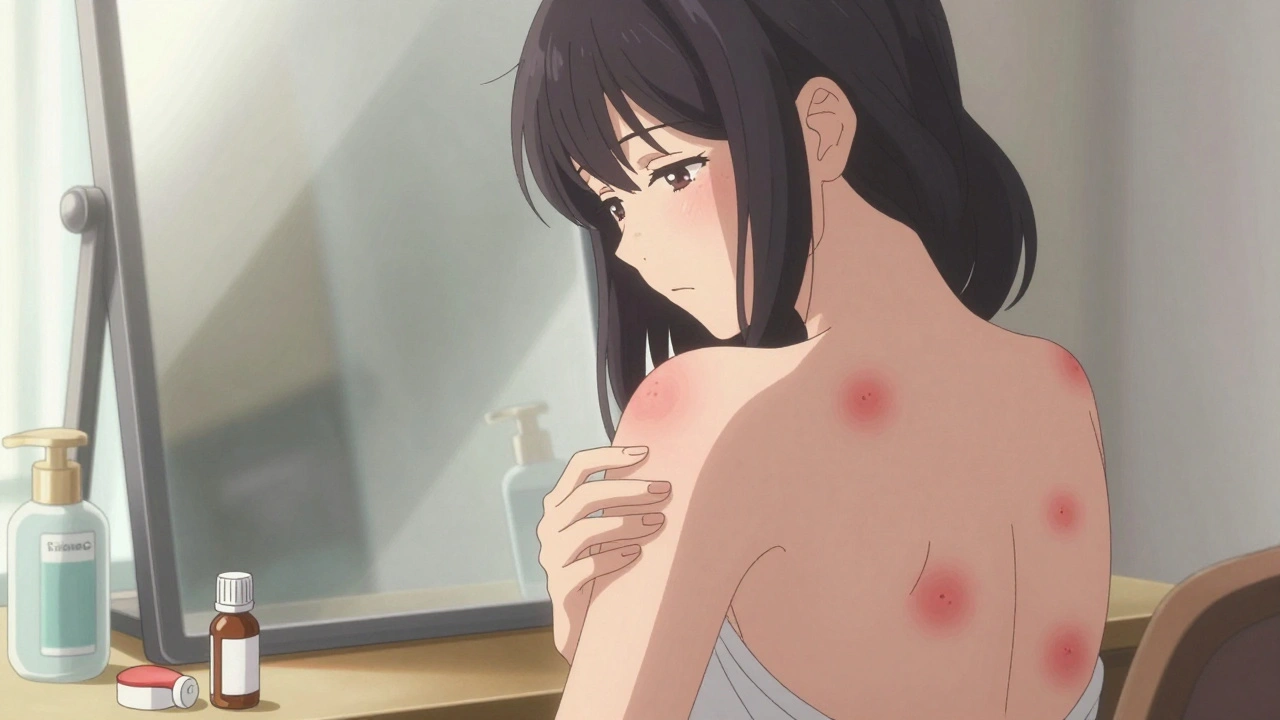
When you start taking steroids-whether for asthma, an autoimmune disease, or muscle gain-your body doesn’t just change internally. Your skin can turn against you. Suddenly, you’re covered in uniform red bumps on your chest and back, or your face breaks out in stubborn whiteheads that won’t respond to your usual acne routine. This isn’t just bad luck. It’s steroid acne, a direct side effect of corticosteroids or anabolic steroids that affects 10-20% of people on moderate to high doses. And unlike regular acne, it doesn’t care how clean your face is or how many face washes you try.
What Makes Steroid Acne Different?
Steroid acne doesn’t look like teenage breakouts. It doesn’t start with a single blackhead or a lonely pimple. It shows up as dense clusters of small, red, follicular bumps-often identical in size and shape-that spread like a wave across your chest, shoulders, and upper back. The face gets involved too, but the trunk is the main battleground. These lesions are mostly closed comedones (whiteheads) that slowly turn into open ones (blackheads). In about 30-40% of cases, it’s not acne at all-it’s Malassezia folliculitis, a yeast overgrowth that causes itchy, superficial pustules with no comedones. It’s easy to mistake for acne, but it needs a completely different treatment.What triggers it? Steroids-both prescription and illicit-alter your skin’s immune response. They boost the activity of Propionibacterium acnes, the bacteria naturally living on your skin, and trigger inflammation through a pathway involving Toll-like receptor 2 (TLR2). At the same time, steroids weaken your skin barrier, making it easier for microbes to invade. In bodybuilders using anabolic steroids, the effect is even more intense: testosterone spikes increase sebum production, clogging pores and feeding the fire.
When Does It Show Up?
You won’t wake up with steroid acne the day after your first pill. It takes time. Most people notice the first signs 4-6 weeks after starting treatment. High doses matter-typically anything above 20mg of prednisone per day, or prolonged use of topical steroids on the face. Teens and young adults are more prone, but anyone can develop it. Even people with no history of acne can get hit hard.One patient, a 32-year-old woman on prednisone after a kidney transplant, described it this way: “I had never had acne in my life. Then, after eight weeks on steroids, my chest looked like it had been sprayed with red pepper flakes. Nothing I used worked-not benzoyl peroxide, not salicylic acid, not even my dermatologist’s antibiotics.”
Topical Treatments That Actually Work
The good news? You don’t have to wait for the steroids to stop before seeing improvement. There are proven topical options that work even while you’re still on treatment.- Tretinoin 0.05% is the gold standard. Back in 1973, a study of 12 patients showed 85-90% clearance of lesions within 2-3 months-even while continuing steroid therapy. Apply a pea-sized amount to affected areas once daily at night. Start slow: every other night to avoid redness and peeling. It unclogs pores and speeds up skin turnover, preventing new bumps from forming.
- Benzoyl peroxide 5% kills bacteria and reduces inflammation. Use it as a wash on your chest and back for 1-2 minutes before rinsing. It’s less irritating than higher concentrations and doesn’t cause resistance like antibiotics.
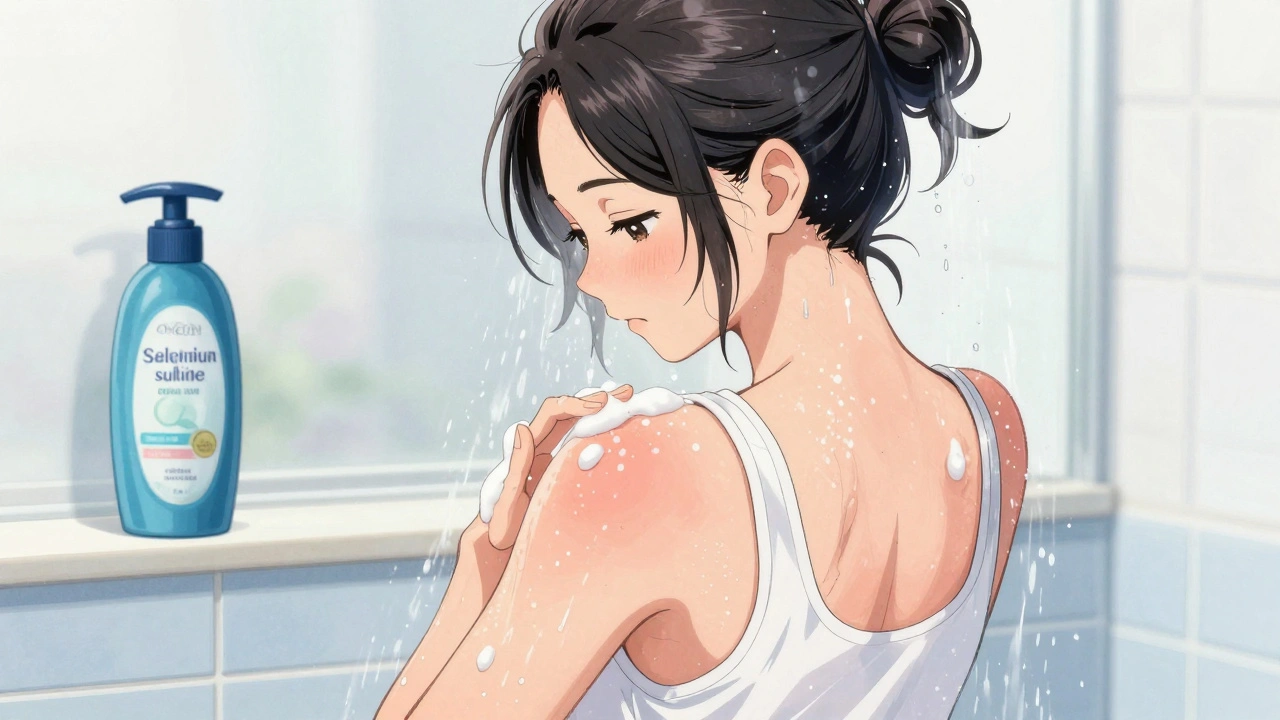
- Ketoconazole 2% shampoo is your best bet if you have Malassezia folliculitis. Wet your skin, lather the shampoo on your chest and back, leave it on for 5-10 minutes, then rinse. Do this 2-3 times a week. Selenium sulfide shampoo (2.5%) works similarly and is often cheaper.
Don’t use harsh scrubs, loofahs, or exfoliating acids. They irritate your already compromised skin barrier and make things worse. Stick to gentle cleansers and non-comedogenic moisturizers. Your skin is dry and sensitive from steroids-hydration is critical.
Oral Treatments: When Topicals Aren’t Enough
If your acne is spreading, painful, or not budging after 6-8 weeks of topical care, it’s time to consider oral options.- Doxycycline 100mg twice daily is a go-to for moderate to severe cases. It reduces inflammation and bacterial load. But limit it to 3-4 months max. Long-term use leads to antibiotic resistance and gut issues.
- Spironolactone 25-50mg daily works well for women. It blocks androgen receptors, cutting sebum production. It’s especially helpful if your breakouts flare around your period or with hormonal triggers.
- Oral contraceptives with ethinyl estradiol and a progestin (like drospirenone) can help regulate hormones in women. But they’re not for everyone-especially if you have a history of blood clots or are on immunosuppressants.
For the most severe cases-especially those with deep, inflamed nodules-isotretinoin is powerful. It shrinks oil glands, reduces bacteria, and normalizes skin cell turnover. But here’s the catch: if you’re using anabolic steroids, isotretinoin can backfire. There are documented cases of patients developing acne fulminans-a rare, dangerous condition with painful, ulcerated lesions and fever-after starting isotretinoin while still on anabolic steroids. One bodybuilder in a 2021 case study ended up hospitalized. If you’re using steroids for muscle gain, isotretinoin is not a safe shortcut.
Lifestyle Adjustments That Help
Medication helps, but your daily habits can make or break your recovery.- Wash your skin after sweating. Steroids make you sweat more, and sweat traps bacteria. Shower immediately after workouts, especially if you’re lifting weights or doing cardio.
- Avoid tight clothing. Cotton is your friend. Synthetic fabrics trap heat and moisture, creating a breeding ground for yeast and bacteria. Change out of sweaty clothes right away.
- Watch your diet. While no food directly causes steroid acne, high-glycemic foods (sugars, white bread, energy drinks) spike insulin, which boosts sebum. Cut back on soda, candy, and processed snacks. Focus on whole foods, greens, and healthy fats.
- Protect your skin from the sun. Both steroids and acne treatments (like tretinoin and doxycycline) make you more sensitive to UV rays. Use a mineral sunscreen with zinc oxide daily. Physical blockers are less irritating than chemical ones.
- Don’t pick or pop. You’re more likely to scar when your skin is inflamed and thin from steroids. Let the treatments do the work.
What If You Can’t Stop the Steroids?
This is the reality for many: you need steroids to stay alive. A transplant patient, someone with Crohn’s disease, or a person with severe asthma can’t just quit. That’s why topical tretinoin and benzoyl peroxide are so vital-they let you manage the acne without stopping the life-saving drug.Work with your dermatologist to create a long-term plan. Monthly check-ins help track progress. If you’re on long-term steroids, ask about getting a baseline skin check before starting treatment. Early intervention prevents scarring.
What About Bodybuilders?
Anabolic steroid users face a unique challenge. Their acne isn’t just a side effect-it’s a badge of the cycle. But it’s also dangerous. The skin changes are more aggressive, the inflammation deeper. Many try to treat it with over-the-counter products or even DIY remedies, which rarely work.Here’s the hard truth: stopping the steroids is the only real cure. But if you’re unwilling or unable to do that, focus on the same proven methods: tretinoin, benzoyl peroxide, antifungal shampoos, and avoiding triggers like greasy supplements or protein shakes loaded with sugar. And absolutely avoid isotretinoin during or right after a cycle. The risk of acne fulminans is real and severe.
The Future of Treatment
Research is moving beyond just killing bacteria or drying out skin. Scientists are now targeting the TLR2 pathway-the exact mechanism that turns harmless skin bacteria into inflamed lesions. Early trials of topical TLR2 inhibitors show a 65% reduction in redness and bumps after 12 weeks. Companies are also exploring microbiome-restoring products, like sprays containing ammonia-oxidizing bacteria, to rebalance skin flora after steroid disruption.Within five years, we may see personalized acne plans based on genetic testing. Some people have a TLR2 variant that makes them 3-4 times more likely to develop severe steroid acne. Knowing that ahead of time could change how doctors prescribe steroids and when they intervene.
Final Thoughts
Steroid acne isn’t a sign of poor hygiene or bad lifestyle choices. It’s a biological reaction to powerful drugs. The good news? It’s treatable-even while you’re still on steroids. You don’t have to suffer through months of frustration. Start with tretinoin and benzoyl peroxide. Rule out yeast with ketoconazole shampoo. Avoid triggers. Be patient-it takes 6-12 weeks to see results.And if you’re using anabolic steroids? Don’t gamble with isotretinoin. Talk to a dermatologist who understands the risks. Your skin is worth protecting-not just for how it looks, but for how it feels, and how long it lasts.
Can steroid acne go away on its own?
Yes, but only if you stop taking the steroids. For people on long-term medical steroids, the acne usually improves within 4-8 weeks after reducing or stopping the dose. But if you can’t stop the steroids, the acne won’t resolve on its own. That’s why active treatment with topical tretinoin or antifungal shampoos is essential.
Is steroid acne contagious?
No. Steroid acne is not contagious. It’s caused by internal changes in your skin’s biology due to steroid use-not by bacteria or yeast you catch from someone else. You can’t pass it to your partner or family members through touch or shared towels.
Why doesn’t my acne respond to regular treatments?
Regular acne treatments target oil, bacteria, and dead skin cells. Steroid acne is driven by a different mechanism-steroids alter your immune response and trigger inflammation through the TLR2 pathway. That’s why benzoyl peroxide and salicylic acid often fail. Tretinoin works because it changes how skin cells mature and shed, unclogging pores at the root.
Can I use retinol instead of tretinoin?
No. Retinol is a weaker, over-the-counter form of vitamin A. It’s not strong enough to clear steroid acne. Tretinoin is a prescription retinoid that works directly on follicular keratinization. Retinol may help with fine lines or mild acne, but it won’t touch the dense comedones caused by steroids.
Does stress make steroid acne worse?
Yes. Stress increases cortisol, which mimics the effects of steroid medications. Even if you’re not taking steroids, high stress can worsen breakouts. For people already on steroids, stress adds fuel to the fire. Managing stress through sleep, breathing exercises, or light exercise can help reduce flare-ups.
How long should I use tretinoin for steroid acne?
Continue using tretinoin as long as you’re on steroids or until your skin clears and stays clear for 2-3 months. Many people need to use it long-term to prevent recurrence. Once you stop steroids, you can gradually reduce frequency to every other night, then a few times a week, to maintain results without irritation.

Comments (13)
ian septian
Just started tretinoin last week for my steroid acne. Barely 7 days in and already seeing less redness. Don't give up too soon.
George Taylor
Wow, another one of these ‘miracle cure’ posts… Tretinoin? Really? I’ve been on prednisone for 11 months, and nothing works-except quitting. But no one ever says that, do they?
Chris Marel
This is so helpful. I’m from Nigeria and didn’t even know steroid acne could be confused with fungal folliculitis. I’ve been using tea tree oil and it’s made things worse. Gonna try the ketoconazole shampoo now.
Evelyn Pastrana
So basically, your skin turns into a war zone and you’re just supposed to… wait? 😒 I’m just here for the memes, but also… thanks for not being a total BS artist for once. 🙃
Carina M
It is, indeed, a matter of profound scientific and dermatological significance that the TLR2 pathway is implicated in steroid-induced inflammatory dysregulation. One must exercise the utmost caution when considering therapeutic interventions, as the pharmacological milieu is not to be trifled with.
William Umstattd
Isotretinoin is a death trap for steroid users. Why is this even a question? People are dying from acne fulminans because they think they can outsmart biology. Wake up.
Elliot Barrett
This post is just a 10-page ad for tretinoin. I’ve used it. It burns like hell. My skin peeled off for two weeks. Worth it? Maybe. But don’t act like it’s magic.
Angela R. Cartes
TL;DR: Steroids = bad skin. Tretinoin = expensive burn cream. Keto shampoo = weird but works. And don't touch your face. 🤦♀️
Lisa Whitesel
Stop using soap. Stop using water. Stop being a child. Your skin doesn’t need fixing. It needs to be left alone.
Larry Lieberman
Just tried the ketoconazole shampoo 🤯 3 days in and my chest stopped itching. I thought I was gonna have to quit lifting. Thank you. 🙏
Sabrina Thurn
From a clinical perspective, the modulation of follicular keratinization via retinoid receptor agonism remains the most evidence-based intervention for steroid-acne phenotypes. Concurrent suppression of Malassezia colonization via topical azoles is a critical adjunct, particularly in truncal presentations with pruritic pustules. Hydration and barrier repair protocols should be prioritized to mitigate steroid-induced transepidermal water loss.
om guru
Great guidance. In India many do not know this condition. We must educate. Tretinoin is not a drug for everyone. But for those who need it, it is a gift from science.
Richard Eite
USA is the only country that lets you walk into a pharmacy and get tretinoin. In the rest of the world we have to beg. Also, stop using protein shakes. They’re just sugar water with a fancy label. #AmericaWins