

When a standard pill just won’t work-because you’re allergic to the dye, can’t swallow tablets, or need a dose that doesn’t exist on the shelf-compounded medications step in. These aren’t mass-produced drugs you pick up at your local pharmacy. They’re made by hand, one at a time, by specialized pharmacists who mix ingredients to match exactly what your body needs. For some people, they’re life-changing. For others, they’re risky if not done right.
Why Standard Drugs Don’t Always Fit
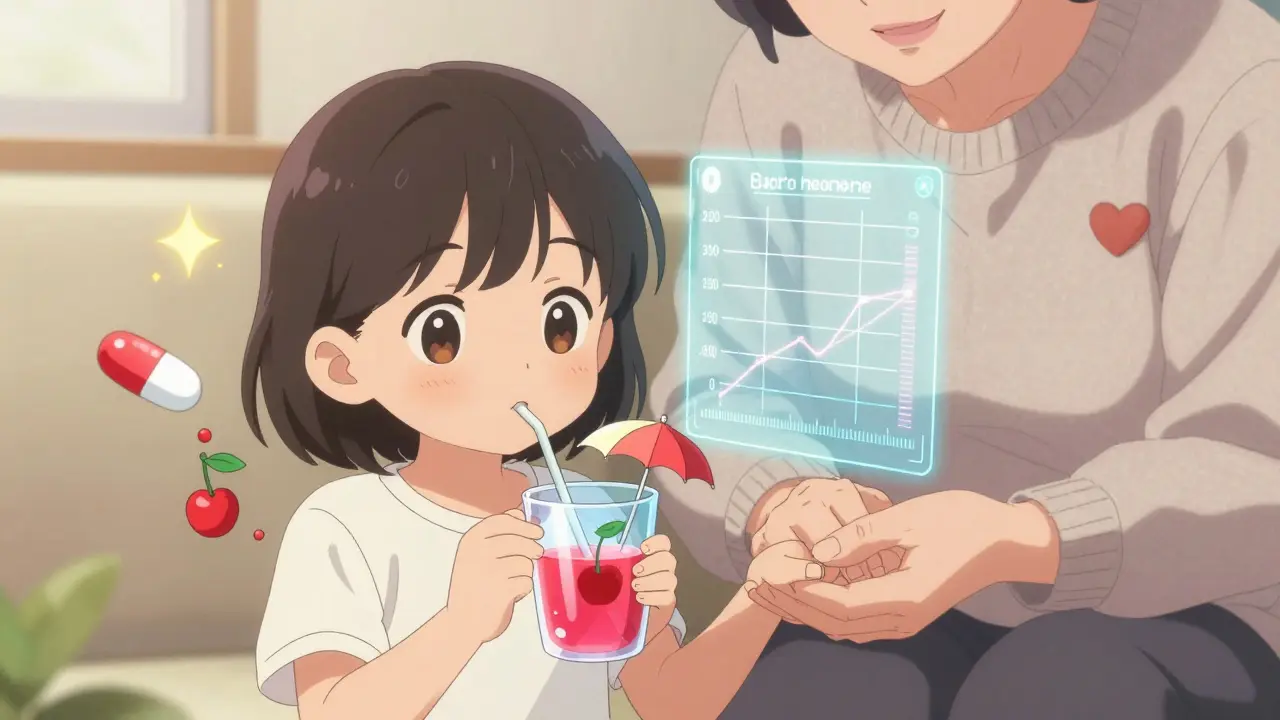
Most medications you take come in fixed doses: 10mg, 25mg, 50mg. But not everyone fits those numbers. A child might need 1.5mg of a medicine, but the smallest pill made is 5mg. An elderly patient might have trouble swallowing capsules. Someone with a gluten intolerance could react to the filler in a generic pill. These aren’t rare cases. About 3-5% of patients need something custom because commercial drugs can’t meet their needs. That’s where compounding comes in. Pharmacists can make a 1.5mg dose. They can turn a pill into a cherry-flavored liquid for kids. They can remove lactose, dyes, or preservatives that trigger reactions. In one case, a parent reported their child’s ADHD medication adherence jumped from 40% to 95% after switching to a flavored liquid compound. That’s not just convenience-it’s health.How Compounded Medications Are Made
It starts with a prescription. No pharmacy can compound a drug without a valid order from a licensed provider-doctor, nurse practitioner, or dentist. Then, the pharmacist works with the prescriber to design the formula. They might combine multiple drugs into one capsule to simplify a daily routine. Or create a topical cream for pain that avoids stomach side effects. The process isn’t simple. It requires clean rooms, calibrated scales, and trained staff. For sterile compounds-like injections or IV solutions-conditions must be near-laboratory level. Non-sterile ones, like creams or capsules, still need strict controls. The U.S. Pharmacopeia (USP) sets standards: <795> for non-sterile, <797> for sterile. Pharmacies that follow these are more likely to deliver safe, accurate doses. But not all pharmacies are equal. Only about 350 out of 7,500 compounding pharmacies in the U.S. are accredited by the Pharmacy Compounding Accreditation Board (PCAB). That’s less than 5%. Choosing a PCAB-accredited pharmacy isn’t optional if safety matters.Where Compounding Shines
Certain conditions rely heavily on compounded formulas.- Hormone therapy: Bioidentical hormone creams or pellets tailored to individual levels are common. Standard hormone pills can’t match the exact ratios some patients need.
- Pain management: Topical gels with multiple pain-relieving agents (like ketamine, gabapentin, and lidocaine) reduce systemic side effects and target localized pain.
- Pediatrics and geriatrics: Kids who gag on pills get flavored suspensions. Seniors with swallowing issues get liquids or transdermal patches that bypass the gut.
- Veterinary care: Dogs and cats need different doses and forms than humans. A fish-shaped chewable for a cat? That’s compounding.
- Drug shortages: When a manufacturer stops making a drug, compounding pharmacies can sometimes fill the gap-temporarily.
The Hidden Risks
Compounded drugs aren’t FDA-approved. That means no large-scale trials prove they work. No routine testing checks purity or potency between batches. The FDA doesn’t inspect them before they reach you. This isn’t theoretical. In 2012, the New England Compounding Center shipped contaminated steroid injections. 798 people got fungal meningitis. 64 died. The cause? Poor sanitation, untrained staff, and no oversight. Even today, quality varies. One patient reported their compounded thyroid medication had wildly different hormone levels between refills-causing their TSH to swing out of control. That’s not rare. Between 2010 and 2020, compounded drugs made up just 1% of prescriptions but 17% of drug recalls. The problem isn’t compounding itself. It’s when pharmacies act like manufacturers-producing large batches, shipping across states, skipping testing. The 2013 Drug Quality and Security Act tried to fix this by creating two tracks: traditional compounding (503A) and large-scale outsourcing (503B). Only 503B facilities are subject to FDA inspections and current good manufacturing practices (CGMP). But enforcement is uneven. In 2022, the FDA issued 12 warning letters for violations like improper sterilization and mislabeling.Cost and Insurance: What You’ll Pay
Compounded meds aren’t cheap. A simple flavored liquid might cost $30-$60. A complex sterile injection can run $200-$500. Compare that to a generic pill that’s $10-$20. Insurance coverage is patchy. Medicare Part D covers only 42% of compounded claims. Private insurers vary widely. Some require prior authorization. Others won’t touch them unless the drug is on a specific approved list. Patients often pay out-of-pocket-and may not know how much until they get the bill.How to Find a Safe Compounding Pharmacy
Not all pharmacies that say they compound are qualified. Here’s how to check:- Ask if they’re PCAB-accredited. If they don’t know what that is, walk away.
- Call the pharmacy. Ask how they test batches. Do they use third-party labs? Do they check potency and sterility?
- Check their environment. Do they have a clean room? Is it visibly clean? Do staff wear gloves and gowns?
- Ask about their pharmacist’s training. Do they have advanced compounding certifications?
- Look at reviews. Specialty compounding pharmacies average 4.6/5 stars on Healthgrades. General pharmacies offering limited compounding? Around 3.8/5.
When Not to Use Compounded Medications
Compounding isn’t a loophole. It shouldn’t replace FDA-approved drugs when those drugs are available and safe. For example, semaglutide (Ozempic, Wegovy) is FDA-approved for weight loss and diabetes. But some pharmacies started compounding their own versions, cutting costs and skipping safety steps. In early 2023, the FDA warned that these unapproved versions could be contaminated or mislabeled. They’re not safer-they’re riskier. The same goes for hormone creams marketed as “bioidentical” without testing. There’s no proof they’re better than FDA-approved hormone therapies. And for conditions like high blood pressure or diabetes, where precise dosing matters daily, compounded versions are dangerous. As Dr. Michael Ganio from ASHP says: “Compounding should be the exception, not the rule.”The Future: Personalized, But Protected
The future of compounding is tied to precision. Some pharmacies are now using genetic testing to tailor drugs based on how a person metabolizes them-like adjusting doses for CYP2D6 gene variants. Early results show 30% better outcomes. But technology alone won’t fix safety. Regulation must catch up. The 2022 Compounding Quality Act requires 503B facilities to report adverse events and use quality management systems. More inspections are coming. More accountability. The goal isn’t to shut down compounding. It’s to protect patients who rely on it. For those with no other options, it’s a lifeline. For everyone else, it’s a risk that needs careful oversight.What You Should Do
If you think you need a compounded medication:- Discuss it with your doctor. Ask: “Is there an FDA-approved alternative?”
- If not, ask for a referral to a PCAB-accredited compounding pharmacy.
- Ask the pharmacist: “How do you test each batch? Can I see the certificate of analysis?”
- Don’t buy compounded meds online unless you’ve verified the pharmacy’s credentials.
- Report any side effects or inconsistencies to your provider and the FDA’s MedWatch program.
Are compounded medications FDA-approved?
No. Compounded medications are not FDA-approved. The FDA does not review them for safety, effectiveness, or quality before they’re dispensed. This is different from mass-produced drugs, which go through rigorous testing. Compounding pharmacies must follow USP standards, but they’re not held to the same manufacturing standards as drug companies.
Can I get compounded medications without a prescription?
No. Federal law requires a valid prescription from a licensed provider-like a doctor or nurse practitioner-for any compounded medication. Pharmacies cannot compound drugs without a patient-specific order. Any website or clinic offering compounded meds without a prescription is operating illegally and unsafely.
How do I know if my compounding pharmacy is safe?
Look for PCAB accreditation-that’s the gold standard. Ask if they test each batch with third-party labs. Check if they have a clean room and if staff wear proper protective gear. Read reviews on Healthgrades or similar platforms. Avoid pharmacies that ship large quantities across state lines without being registered as 503B outsourcing facilities.
Why are compounded medications so expensive?
They’re made by hand, one at a time, using high-quality ingredients and strict processes. Sterile compounds require clean rooms, specialized equipment, and rigorous testing-all costly. A simple flavored liquid might cost $30-$60, while an IV solution can hit $500. That’s far more than a $10 generic pill, but the cost reflects the customization and care involved.
Can I use compounded meds instead of FDA-approved drugs to save money?
No. Compounded versions are not safer or cheaper alternatives to FDA-approved drugs when those drugs are available. For example, compounding semaglutide without approval bypasses safety checks and can lead to dangerous contamination. Always ask your doctor: “Is there an approved version that works for me?” If yes, stick with it.
